
சர சாஸ்திர பிரசன்னம் — மூச்சின் வழியே கேள்விக்குப் பதில்Swara Shastra Prasannam — Answers Read from Your Own Breath
நாம் ஒவ்வொரு நொடியும் சுவாசிக்கிறோம். ஆனால் எந்த நாசி வழியாக மூச்சு அதிகம் ஓடுகிறது என்று கவனிப்பதில்லை. நம் முன்னோர்கள் அதைக் கவனித்தார்கள் — அதிலிருந்து நேரத்தின் தன்மையையும், மனதில் உள்ள கேள்விக்கான பதிலையும் அறிந்தார்கள். அந்த அறிவே சர சாஸ்திரம். அதைக் கொண்டு கேள்விக்கு விடை காண்பதே சர பிரசன்னம்.
We breathe every moment, yet rarely notice which nostril carries more air. Our ancestors did notice — and from it they read the quality of the moment and the answer to a question held in the heart. That knowledge is Swara Shastra, and using it to answer a question is Swara Prasannam.
🪔 கருவியைப் பயன்படுத்துக🪔 Use the tool now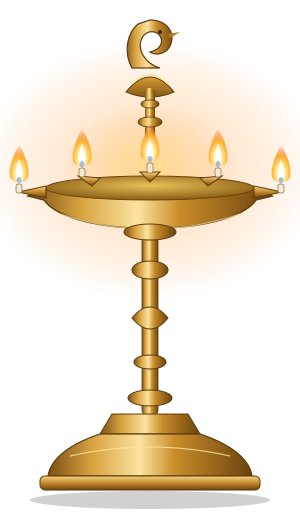
1சர சாஸ்திர பிரசன்னம் என்றால் என்ன?What is Swara Shastra Prasannam?
சரம் என்றால் மூச்சு. சாஸ்திரம் என்றால் முறைப்படுத்தப்பட்ட அறிவு. பிரசன்னம் என்றால் கேள்வி. ஆக, “மூச்சைக் கவனித்து கேள்விக்குப் பதில் காணும் முறை” என்பதே இதன் பொருள்.
ஒரு நேரத்தில் நம் மூச்சு மூன்றில் ஒரு விதமாக ஓடுகிறது என்று மரபு சொல்கிறது:
Swara means breath. Shastra means an ordered body of knowledge. Prasannam (Prashna) means a question. Together: “the art of answering a question by watching the breath”.
Tradition says that at any moment the breath flows in one of three ways:
இடகலை (சந்திர கலை)Ida (Chandra / Moon)
இடது நாசியில் மூச்சு அதிகம். குளிர்ந்த, அமைதியான, நிலைத்த தன்மை. திருமணம், வீடு வாங்குதல், நீண்ட பயணம், நல்ல தொடக்கங்களுக்கு உகந்தது என்பது மரபு.
More air through the left nostril. Cool, calm and steady. Tradition favours it for marriage, buying property, long journeys and gentle new beginnings.
பிங்கலை (சூரிய கலை)Pingala (Surya / Sun)
வலது நாசியில் மூச்சு அதிகம். வெப்பமான, வேகமான தன்மை. கடின உழைப்பு, போட்டி, நேர்காணல், வழக்கு, உடற்பயிற்சி போன்ற துணிவான செயல்களுக்கு உகந்தது.
More air through the right nostril. Warm and energetic. Favoured for hard work, competition, interviews, disputes and physical effort.
சுழுமுனை (சூன்ய கலை)Sushumna (Shoonya)
இரு நாசிகளிலும் சமமாக மூச்சு. இது மூச்சு ஒரு பக்கத்திலிருந்து மறு பக்கம் மாறும் சிறு இடைவேளை. உலகியல் கேள்விகளுக்கு இந்நேரம் பதில் தராது; ஜபம், தியானத்துக்கு மட்டுமே.
Equal flow in both nostrils — the short pause when the breath changes sides. Not a time for worldly questions; only for prayer and meditation.
2இது எதற்குப் பயன்படுகிறது?What is it used for?
சர சாஸ்திரம் ஒரு நாள்காட்டி அல்ல, ஜாதகமும் அல்ல. அது “இந்த நொடி” பற்றிய அறிவு. பிறந்த நேரம் தெரியாதவர்களும், உடனடியாக ஒரு முடிவு எடுக்க வேண்டியவர்களும் இதைப் பயன்படுத்துகிறார்கள்.
Swara Shastra is neither a calendar nor a birth chart. It is knowledge about this very moment. It is used by people who do not know their birth time, and by anyone who must decide something now.
கேள்விக்கு பதில்Answering a question
“இந்த வேலை கிடைக்குமா?”, “திருமணப் பேச்சு கைகூடுமா?”, “தொலைந்த பொருள் கிடைக்குமா?” — கேள்வி கேட்கும் நொடியின் மூச்சைக் கொண்டு பதில் காண்பது.
“Will I get this job?”, “Will the marriage talks succeed?”, “Will I find what I lost?” — answered from the breath at the moment of asking.
நல்ல நேரம் தேர்வுChoosing the right moment
முக்கியமான செயலைத் தொடங்கும் முன் மூச்சைச் சரிபார்த்து, உகந்த சரமும் நல்ல தத்துவமும் ஓடும்போது தொடங்குவது.
Checking the breath before an important start, and beginning when a suitable swara and a good element are flowing.
பயணம் புறப்படுதல்Setting out on a journey
வீட்டை விட்டுப் புறப்படும்போது ஓடும் நாசிப் பக்கக் காலை முதலில் எடுத்து வைப்பது இன்றும் பல வீடுகளில் உள்ள பழக்கம்.
Stepping out of the house first with the foot on the side of the flowing nostril — a habit still kept in many homes.
மன அமைதி, நலம்Calm and well-being
மூச்சைக் கவனிப்பதே ஒரு தியானம். கோபம், பதற்றம் வரும்போது சரத்தை மாற்றும் எளிய வழிகளும் இந்நூல்களில் உள்ளன.
Simply watching the breath is a meditation. The texts also teach simple ways to shift the breath when anger or anxiety rises.
3மூச்சின் நாள் தாளம்The daily rhythm of the breath
மரபுப்படி, சூரிய உதயத்தின்போது எந்த நாசி ஓட வேண்டும் என்பது அன்றைய நாளையும் சந்திரனின் பிறையையும் (வளர்பிறை / தேய்பிறை) பொறுத்தது. அதன் பிறகு, ஏறக்குறைய ஒவ்வொரு மணி நேரமும் மூச்சு இடம் மாறுகிறது.
By tradition, which nostril should flow at sunrise depends on the day and on the phase of the Moon (waxing or waning). After that, the breath changes sides roughly every hour.
ஒவ்வொரு மணி நேரத்துக்குள்ளும் — பஞ்ச தத்துவம் (ஐம்பூதங்கள்)Within every hour — the Pancha Tattwa (five elements)
ஒவ்வொரு மணி நேரச் சரத்துக்குள்ளும் ஐந்து பூதங்கள் ஒரு குறிப்பிட்ட வரிசையில், குறிப்பிட்ட நிமிடங்களுக்கு ஓடுகின்றன. இதுவே பலனின் “சுவை”யைத் தீர்மானிக்கிறது.
Inside each hour-long swara, the five elements flow in a fixed order for fixed minutes. This sets the “flavour” of the answer.
4வரலாறு — சிவனும் பார்வதியும் முதல் இன்று வரைHistory — from Shiva and Parvati to today
- பண்டைக் காலம் · சிவ சுவரோதயம்Ancient times · Shiva Swarodaya இக்கலையின் முதன்மை நூல் சிவ சுவரோதயம். இது சிவபெருமானுக்கும் பார்வதி தேவிக்கும் இடையிலான உரையாடலாக அமைந்த சம்ஸ்கிருத நூல்; ஏறத்தாழ 395 பாடல்கள் கொண்டது. மூச்சைக் கொண்டு நல்லது, கெட்டதை அறிவது பற்றி விரிவாகப் பேசுகிறது. The principal text of this art is the Shiva Swarodaya, a Sanskrit work written as a conversation between Lord Shiva and Goddess Parvati, with about 395 verses. It explains in detail how to read good and bad outcomes from the breath.
- தமிழ் மரபு · திருமூலர், சித்தர்கள்Tamil tradition · Thirumoolar and the Siddhars தமிழில் யோகம் பற்றிய மிகப் பழைய நூலாகக் கருதப்படும் திருமூலரின் திருமந்திரம் மூச்சுப் பயிற்சிக்குத் தனிப் பாடல்களை ஒதுக்கியுள்ளது. இடகலை, பிங்கலை, சுழுமுனை என்ற சொற்கள் தமிழ்ச் சித்தர் பாடல்களில் பரவலாக வருகின்றன. சித்தர்கள் தம் அறிவை ஓலைச்சுவடிகளில் பாடல்களாக எழுதி, குடும்பங்கள் வழியே தலைமுறை தலைமுறையாகக் காத்தனர். Thirumoolar's Thirumanthiram, regarded as the earliest Tamil treatise on yoga, sets aside verses for breath practice. The words Idakalai, Pingalai and Suzhumunai run all through Tamil Siddhar songs. The Siddhars wrote their knowledge as verse on palm leaves, handed down through families for generations.
- தமிழ்ச் சுவடி · சர சிந்தாமணிTamil manuscript · Swara Chintamani சர சிந்தாமணி என்ற நூலும் சிவன்–பார்வதி உரையாடலாகவே அமைந்தது; இது முதலில் தமிழில் எழுதப்பட்டு, சென்னை அடையாறு நூலகத்தில் பாதுகாக்கப்படுவதாகக் கூறப்படுகிறது. The Swara Chintamani is also framed as a Shiva–Parvati dialogue; it is said to have been written originally in Tamil and is preserved at the Adyar Library in Chennai.
- கி.பி. 1649 · கேரளத்தின் பிரசன்ன மார்க்கம்1649 CE · Kerala's Prasna Marga கேரள ஜோதிடர்கள் இன்றும் பின்பற்றும் பிரசன்ன மார்க்கம் 1649-ல் எழுதப்பட்டது. சில கேள்விகளுக்கு சர சாஸ்திரத்தையும் துணையாகப் பயன்படுத்தலாம் என்று அந்நூல் கூறுகிறது — பிரசன்ன ஜோதிடத்தில் மூச்சுக்கு இருந்த இடத்தை இது காட்டுகிறது. Prasna Marga, written in 1649 and still followed by Kerala astrologers, mentions that Swara Shastra may also be used for certain questions — showing the place the breath held in question-astrology.
- 1984 · புதிய தலைமுறைக்கு1984 · For a new generation பீகார் மாநிலம் முங்கேரில் உள்ள பீகார் யோகப் பள்ளி, சிவ சுவரோதயத்தின் மூலமும் விளக்கமும் கொண்ட “Swara Yoga” நூலை 1984-ல் வெளியிட்டது. அதன் பிறகு இக்கலை யோக ஆசிரியர்கள் வழியே உலகெங்கும் பரவியது. The Bihar School of Yoga at Munger published “Swara Yoga”, with the Shiva Swarodaya text and explanation, in 1984. Since then the art has spread worldwide through yoga teachers.
5இன்று இந்தியாவில் எங்கெல்லாம் பின்பற்றப்படுகிறது?Where in India is it followed today?
சர சாஸ்திரம் ஒரு மாநிலத்துக்கு மட்டும் உரியதல்ல. ஆனால் சில பகுதிகளில் அது வேரூன்றி நிற்கிறது:
Swara Shastra belongs to no single state, but it has deep roots in some regions:
🛕 தமிழ்நாடு🛕 Tamil Nadu
சித்தர் மரபின் தாயகம். கிராமங்களில் பெரியவர்கள் காலையில் எழுந்ததும் மூச்சைப் பார்ப்பது, ஓடும் நாசிப் பக்கக் காலை முதலில் வைத்துப் புறப்படுவது போன்ற பழக்கங்கள் இன்றும் உள்ளன. பாரம்பரிய ஜோதிடர்கள் பிரசன்னத்தில் சரத்தையும் பார்க்கிறார்கள்.
Home of the Siddhar tradition. In villages, elders still check the breath on waking and step out with the foot on the flowing side. Traditional astrologers also look at the breath during a prasannam.
🌴 கேரளம்🌴 Kerala
பிரசன்ன ஜோதிடம் மிக வலுவாக உள்ள மாநிலம். பிரசன்ன மார்க்க மரபில் சர சாஸ்திரமும் ஒரு துணைக் கருவியாக இடம் பெறுகிறது.
The strongest home of question-astrology (prasnam). In the Prasna Marga tradition, Swara Shastra appears as a supporting method.
🪷 பீகார் & வட இந்தியா🪷 Bihar & North India
முங்கேர் பீகார் யோகப் பள்ளி வழியே “சுர யோகம்” கற்பிக்கப்படுகிறது. இந்தி பேசும் மாநிலங்களில் “ஸ்வர் விஞ்ஞான்” / “ஸ்வரோதயம்” நூல்கள் பரவலாகப் படிக்கப்படுகின்றன; வாரணாசியிலிருந்து இதன் மூல நூல்கள் வெளியாகின்றன.
Swara Yoga is taught through the Bihar School of Yoga at Munger. In Hindi-speaking states, “Swar Vigyan” and “Swarodaya” books are widely read, and the source text is published from Varanasi.
🌏 இந்தியா முழுவதும், உலகெங்கும்🌏 All India and abroad
யோக ஆசிரியர்கள், மூச்சுப் பயிற்சி செய்பவர்கள், பாரம்பரியத்தை மதிக்கும் குடும்பங்கள் — இந்தியாவின் எல்லா மூலைகளிலும், வெளிநாடுகளில் வாழும் இந்தியர்களிடமும் இது பின்பற்றப்படுகிறது.
Yoga teachers, breath practitioners and tradition-minded families follow it across India and among Indians living abroad.
6பின்பற்றப்படும் மரபுச் சடங்குகள்Customs and rites that are followed
சர பிரசன்னம் ஒரு விளையாட்டு அல்ல. மரபு சில ஒழுங்குகளை வலியுறுத்துகிறது:
Swara Prasannam is not a game. Tradition asks for a few observances:
- சங்கல்பம் — உண்மையான கேள்வி: கேள்வி உள்ளத்திலிருந்து வர வேண்டும். சோதிப்பதற்காகவோ வேடிக்கைக்காகவோ கேட்கக் கூடாது என்பது மரபு.Sankalpam — a sincere question: the question must come from the heart. Tradition says never to ask to test or for fun.
- தீபம் ஏற்றுதல்: பூஜை அறையில் குத்துவிளக்கு ஏற்றி, இறைவனை நினைத்து அமர்வது. விளக்கின் சுடர் மனதை ஒருமுகப்படுத்துகிறது.Lighting the lamp: lighting the Kuthuvilakku in the prayer room and sitting with God in mind. The flame steadies the mind.
- அமைதி: “ஓம் நமசிவாய” என்று சொல்லி, சில வினாடிகள் மெதுவாக மூச்சு விட்டு மனதை அமைதிப்படுத்துவது.Stillness: saying “Om Namah Shivaya” and breathing slowly for a few seconds to settle the mind.
- மூச்சைப் பார்த்தல்: ஆள்காட்டி விரலின் பின்புறத்தை இரு நாசிகளுக்குக் கீழே வைத்து, இயல்பாக மூச்சு விட்டு, எந்தப் பக்கம் காற்று அதிகம் என்று உணர்வது. மூச்சை வலிந்து விடக் கூடாது.Observing the breath: placing the back of the index finger under both nostrils, breathing out naturally, and feeling which side carries more air. Never force the breath.
- திசையும் இருப்பிடமும்: கேள்வி கேட்பவர் ஓடும் நாசிப் பக்கம் (பூரண பக்கம்) அமர்ந்து கேட்டால் காரியம் கைகூடும்; மூடிய நாசிப் பக்கம் (சூன்ய பக்கம்) அமர்ந்தால் தடை என்பது மரபு.Direction and seating: if the person asking sits on the side of the flowing nostril (the “full” side), success is indicated; on the closed side (the “empty” side), obstruction.
- பரிகாரம்: தேவையான நாசி திறக்க எதிர்ப் பக்கமாக 10–15 நிமிடம் ஒருக்களித்துப் படுப்பது, அக்குளில் மெதுவாக அழுத்துவது (யோக தண்டம்), “ஹம்ஸ — ஸோஹம்” ஜபம், அல்லது அடுத்த நல்ல நேரம் வரை காத்திருப்பது.Remedies: lying on the opposite side for 10–15 minutes to open the needed nostril, gentle pressure under the armpit (the Yoga Danda), chanting “Hamsa — So-Ham”, or simply waiting for the next good period.
💡 ஒருக்களித்துப் படுக்கும்போது மேலே இருக்கும் நாசி திறக்கும் என்பது அனுபவம். வலப்பக்கம் படுத்தால் இடது நாசி திறக்கும்; இடப்பக்கம் படுத்தால் வலது நாசி திறக்கும்.
💡 When you lie on one side, the upper nostril tends to open. Lie on your right side to open the left nostril; lie on your left side to open the right.
7ஓசூர்ஆன்லைன் கருவியைப் பயன்படுத்துவது எப்படி?How to use the HosurOnline tool
கருவி நான்கு நிலைகளாக அமைந்துள்ளது — நேரில் செய்யும் சடங்கின் அதே வரிசையில். எல்லா நிலைகளும் ஒரே பக்கத்தில் தெரியும்; பலன் வந்த பிறகும் படிவம் மறையாது, எதையும் மாற்றி மீண்டும் பார்க்கலாம்.
The tool has four stages — in the same order as the rite done in person. All stages stay on one page; after the reading appears, the form stays filled in so you can change anything and look again.
நிலை 1 · சங்கல்பம்Stage 1 · Sankalpam
உங்கள் பெயர் (விருப்பம்), கேள்வி வகை (பொது, திருமணம், தொழில், பணம், உடல்நலம், பயணம், தொலைந்த பொருள்), தேதி, நேரம் ஆகியவற்றை உள்ளிடுங்கள். ஊரின் பெயரைத் தட்டச்சு செய்து, வரும் பட்டியலிலிருந்து உங்கள் ஊரைத் தேர்ந்தெடுங்கள். பிறகு “அமைதியைத் தொடங்கு” அழுத்தி 10 வினாடி மெதுவாக மூச்சு விடுங்கள்.
Enter your name (optional), the type of question (General, Marriage, Career, Finance, Health, Travel, Lost Object), the date and the time. Type your town and pick it from the list that appears. Then press “Begin stillness” and breathe slowly for 10 seconds.
ஏன் ஊர் முக்கியம்? சூரிய உதய நேரம் ஊருக்கு ஊர் மாறுகிறது; அதிலிருந்தே கணக்கு தொடங்குகிறது. Why does the town matter? Sunrise differs from place to place, and the whole count starts from sunrise.நிலை 2 · தீபம் ஏற்றுதல்Stage 2 · Light the lamp
“தீபம் ஏற்றுக” பொத்தானை அழுத்துங்கள் — அல்லது சுடர் 🔥 குறியை இழுத்து குத்துவிளக்கின் ஏதாவது ஒரு திரியில் வையுங்கள். ஐந்து திரிகளும் ஒவ்வொன்றாக எரிந்து, மென்மையான கோயில் மணி ஒலிக்கும் (ஒலியை அணைக்கவும் வசதி உண்டு).
Press “Light the Sacred Lamp” — or drag the 🔥 flame onto any wick of the Kuthuvilakku. All five wicks light one by one and a soft temple bell rings (you can mute it).
தீபம் ஏற்றாமல் பலன் காட்டப்படாது — நேரில் செய்யும் சடங்கைப் போலவே. No reading is shown until the lamp is lit — just as in the real rite.நிலை 3 · மூச்சைப் பார்த்தல்Stage 3 · Observe the breath
ஆள்காட்டி விரலின் பின்புறத்தை இரு நாசிகளுக்கும் கீழே வையுங்கள். வழக்கம் போல் மூச்சை வெளியே விடுங்கள். எந்தப் பக்கம் காற்று அதிகம் படுகிறது? இடது, வலது, அல்லது இரண்டும் சமம் — அதற்கான அட்டையைத் தேர்ந்தெடுங்கள்.
Place the back of your index finger beneath both nostrils. Breathe out as usual. Which side touches the finger more? Left, right, or both equally — choose that card.
விருப்பம்: மூச்சின் திசையைக் கவனிக்க முடிந்தால் (கீழ்நோக்கி, மேல்நோக்கி, பக்கவாட்டு…) அதையும் தேர்ந்தெடுக்கலாம். தெரியாவிட்டால் “தானியங்கி” என்றே விடுங்கள் — கருவி கணக்கிட்டுக் கொள்ளும். Optional: if you can sense the direction of the breath (downward, upward, sideways…), choose it. If not, leave it on “Auto” — the tool works it out.நிலை 4 · திசை & ஆருட நிலைStage 4 · Direction & position
திசைச் சக்கரத்தில் நீங்கள் எதிர்நோக்கும் திசையைத் தொடுங்கள். கேள்வி கேட்பவர் எங்கே இருக்கிறார் என்பதைத் தேர்ந்தெடுங்கள் — ஓடும் நாசிப் பக்கம் (பூரண பக்கம்), மூடிய நாசிப் பக்கம் (சூன்ய பக்கம்), அல்லது நேர் எதிரில். நீங்களே உங்களுக்காகக் கேட்டால் “பூரண பக்கம்” என்பது வழக்கம். பிறகு “பிரசன்ன பலன் காண்க” அழுத்துங்கள்.
Tap the direction you are facing on the compass. Choose where the person asking sits — on the flowing-nostril side (full side), the closed side (empty side), or directly in front. If you are asking for yourself, “full side” is the usual choice. Then press “Reveal Swara Prasannam”.
பலனைப் படியுங்கள்Read your answer
மேலே நீங்கள் அளித்த விவரங்களின் சுருக்கம், அதன் கீழே அன்றைய சூரிய உதயம், கிழமை, திதி, பிறை, எதிர்பார்க்கும் சரம், நடப்பு தத்துவமும் மீதமுள்ள நிமிடங்களும், பலன், உங்கள் கேள்வி வகைக்கான விளக்கம், பரிகாரங்கள் — எல்லாம் தெளிவாகக் காட்டப்படும்.
You first see a summary of what you entered, then that day's sunrise, weekday, lunar day, fortnight, the expected swara, the active element with minutes left, the verdict, the reading for your question type and the remedies.
8பலனை எப்படிப் புரிந்துகொள்வது?How to understand your reading
| பலன்Verdict | பொருள்What it means | என்ன செய்யலாம்What to do |
|---|---|---|
| மிகச் சிறந்ததுExcellent | சரம் ஒத்துப்போகிறது, நல்ல தத்துவம், பூரண பக்கம்Breath in tune, good element, full side | தயக்கமின்றித் தொடங்கலாம்Go ahead |
| அனுகூலம்Favourable | பெரும்பாலும் சாதகம்Mostly supportive | சிறு முயற்சியுடன் தொடரலாம்Proceed with some effort |
| கலப்புMixed | நடக்கும், ஆனால் தாமதத்துடன்It will happen, but late | அடுத்த நல்ல நேரத்தில் மீண்டும் பாருங்கள்Check again at the next good window |
| பிரதிகூலம்Unfavourable | இப்போது தொடங்குவது உகந்ததல்லNot the time to begin | பரிகாரம் செய்து பிறகு கேளுங்கள்Do the remedies, ask later |
| சூன்யம்Void | சுழுமுனை அல்லது ஆகாய நேரம்Sushumna or Ether period | ஜபம், தியானம் மட்டும்; மூச்சு மாறிய பின் கேளுங்கள்Only prayer and meditation; ask after the breath shifts |
“அடுத்த நல்ல நேரம்” என்ற வரி, அடுத்த நிலம் / நீர் தத்துவ நேரம் எப்போது தொடங்கி எப்போது முடியும் என்று சொல்கிறது — அப்போது மீண்டும் முயலலாம்.
The “Next auspicious window” line tells you when the next Earth/Water period starts and ends — a good time to try again.
9ஏன் ஓசூர்ஆன்லைன் கருவி மரபுக்கு நேர்மையானது?Why HosurOnline's tool is true to the tradition
- உங்கள் ஊரின் சூரிய உதயம்: பொதுவான “காலை 6 மணி” அல்ல; நீங்கள் தேர்ந்தெடுத்த ஊரில், அந்தத் தேதியில் சூரியன் உதிக்கும் சரியான நேரத்திலிருந்தே கணக்கு தொடங்குகிறது.
- அன்றைய திதியும் பிறையும்: சூரியன், சந்திரன் இருக்கும் நிலையைக் கொண்டு வளர்பிறையா தேய்பிறையா என்பதும் திதியும் துல்லியமாகக் கணிக்கப்படுகின்றன.
- மரபுப்படி கிழமை: நள்ளிரவில் அல்ல, சூரிய உதயத்தில்தான் நாள் மாறும் — சூரிய உதயத்துக்கு முன் கேட்டால் முந்தைய நாளின் கிழமையே கொள்ளப்படுகிறது.
- உதய கால சரம்: வளர்பிறையில் திங்கள், புதன், வியாழன், வெள்ளி இடது நாசி; ஞாயிறு, செவ்வாய், சனி வலது நாசி; தேய்பிறையில் இது மாறும் — என்ற மரபு விதி பின்பற்றப்படுகிறது.
- மணி நேர மாற்றமும் ஐம்பூத வரிசையும்: ஒவ்வொரு மணி நேரமும் சரம் மாறுவதும், அதற்குள் நிலம் 20, நீர் 16, நெருப்பு 12, காற்று 8, ஆகாயம் 4 நிமிடங்கள் என்ற நூல் கூறும் வரிசையும் அப்படியே பின்பற்றப்படுகின்றன.
- உங்கள் மூச்சே சாட்சி: கருவி மூச்சை “ஊகிக்காது”. நீங்களே விரல் வைத்துப் பார்த்துச் சொல்வதையே அடிப்படையாகக் கொள்கிறது — நேரில் ஒரு சர நிபுணர் செய்வது போலவே.
- சடங்கு முதலில்: சங்கல்பம், அமைதி, குத்துவிளக்கு ஏற்றுதல் இல்லாமல் பலன் இல்லை. கேள்வியை மரியாதையுடன் அணுகச் செய்கிறது.
- பூரண / சூன்ய பக்கம், சுழுமுனை விதி: கேள்வி கேட்பவர் இருக்கும் பக்கம் பலனில் சேர்க்கப்படுகிறது; இரு நாசிகளும் சமமாக ஓடினால் உலகியல் பதில் தரப்படுவதில்லை — நூல் சொல்வதைப் போலவே.
- மரபுப் பரிகாரங்கள்: ஒருக்களித்துப் படுத்தல், யோக தண்டம், ஹம்ஸ ஜபம், அடுத்த நல்ல நேரம் — எல்லாம் பாரம்பரிய வழிகளே.
- தமிழில் முதலில்: முழுவதும் தமிழிலும் ஆங்கிலத்திலும், ஒரே சொடுக்கில்.
- Your own town's sunrise: not a generic “6 a.m.” — the count starts from the exact moment the Sun rises over the town you chose, on that date.
- That day's lunar date and fortnight: worked out precisely from where the Sun and Moon actually are, to tell waxing from waning and find the tithi.
- The traditional weekday: the day changes at sunrise, not at midnight — ask before sunrise and the previous day's weekday is used.
- The sunrise breath rule: in the waxing fortnight, Monday, Wednesday, Thursday and Friday begin with the left nostril and Sunday, Tuesday and Saturday with the right; in the waning fortnight this reverses.
- Hourly change and the order of the elements: the swara changes every hour, and within it Earth 20, Water 16, Fire 12, Air 8 and Ether 4 minutes — the order the texts give.
- Your breath is the witness: the tool never “guesses” your breath. It relies on what you observe with your own finger — just as a swara expert would in person.
- The rite comes first: no reading without sankalpam, stillness and lighting the Kuthuvilakku. It asks you to approach the question with respect.
- Full side, empty side and Sushumna: where the questioner sits is part of the answer, and when both nostrils flow equally no worldly answer is given — as the texts say.
- Traditional remedies: lying on one side, the Yoga Danda, the Hamsa chant, waiting for the next good period — all time-honoured ways.
- Tamil first: fully in Tamil and English, switchable in one click.
📜 ஒரு நேர்மையான குறிப்பு: உதய கால சரத்தைக் கணக்கிட மரபில் ஒன்றுக்கு மேற்பட்ட வழிகள் உண்டு. சிவ சுவரோதயம் திதியை மூன்று மூன்றாகப் பிரித்துக் கணக்கிடுகிறது; பல ஆசிரியர்கள் கிழமையைக் கொண்டு கணக்கிடுகிறார்கள். இக்கருவி கிழமை + பிறை முறையைப் பின்பற்றுகிறது. ஐம்பூத நிமிடங்களும் சில நூல்களில் சிறிது மாறுபடும். எனவே இதை ஒரு வழிகாட்டியாகக் கொள்ளுங்கள்.
📜 An honest note: tradition has more than one way to work out the sunrise breath. The Shiva Swarodaya counts by lunar day in groups of three; many teachers count by weekday. This tool follows the weekday-and-fortnight method. The element minutes also vary slightly between texts. Treat the result as guidance.
10அடிக்கடி கேட்கப்படும் கேள்விகள்Common questions
பிறந்த நேரம் தெரியாவிட்டாலும் பயன்படுத்தலாமா?Can I use it without knowing my birth time?
ஆம். சர பிரசன்னத்துக்குப் பிறந்த நேரம் தேவையில்லை. கேள்வி கேட்கும் நேரமும் இடமும் உங்கள் மூச்சுமே போதும்.
Yes. Swara Prasannam does not need a birth time — only the time and place of asking, and your breath.
எந்த நாசி ஓடுகிறது என்று உறுதியாகத் தெரியவில்லை, என்ன செய்வது?I can't tell which nostril is flowing. What should I do?
ஒரு நாசியை மெதுவாக விரலால் மூடி மறு நாசியால் மூச்சு விடுங்கள்; பிறகு மாற்றிச் செய்யுங்கள். எளிதாக ஓடும் பக்கமே ஓடும் நாசி. இரண்டும் சமமாகத் தோன்றினால் “இரு நாசிகள்” என்பதைத் தேர்ந்தெடுங்கள்.
Gently close one nostril with a finger and breathe through the other, then switch. The side that breathes more easily is the flowing one. If both feel the same, choose “Both nostrils”.
ஒரே கேள்வியைப் பலமுறை கேட்கலாமா?Can I ask the same question many times?
மரபுப்படி ஒரு கேள்வியை உண்மையான மனதுடன் ஒருமுறை கேட்பதே சிறந்தது. பலன் “கலப்பு” அல்லது “சூன்யம்” என்றால், அடுத்த நல்ல நேரத்தில் மீண்டும் பார்க்கலாம்.
Tradition says to ask once, sincerely. If the answer is “Mixed” or “Void”, you may look again at the next good window.
உடல்நலக் கேள்விக்கு இதை நம்பலாமா?Can I rely on it for a health question?
இது பண்பாட்டு வழிகாட்டி மட்டுமே. உடல்நலப் பிரச்சினைகளுக்கு எப்போதும் தகுதியான மருத்துவரை அணுகுங்கள்.
It is a cultural guide only. For any health concern, always consult a qualified doctor.
பயன்படுத்தக் கட்டணம் உண்டா?Is there a charge?
இல்லை, ஓசூர்ஆன்லைன் சர சாஸ்திர பிரசன்னக் கருவி இலவசம்.
No. HosurOnline's Swara Shastra Prasannam tool is free.
⚠️ இப்பக்கமும் கருவியும் பாரம்பரிய சர சாஸ்திர நம்பிக்கைகளை விளக்கும் பண்பாட்டு வழிகாட்டிகள். மருத்துவ, சட்ட, நிதி ஆலோசனைக்கு மாற்றாகாது.
⚠️ This page and the tool are cultural guides to traditional Swara Shastra beliefs. They are not a substitute for medical, legal or financial advice.
மூச்சு உங்களோடு எப்போதும் இருக்கிறது. அதைக் கவனிக்கத் தொடங்குங்கள்.
Your breath is always with you. Start listening to it.
🪔 சர சாஸ்திர பிரசன்னம் காண்க🪔 Open Swara Shastra Prasannamமேலும் படிக்கFurther reading
- Shiva Swarodaya — Wikipedia
- Swami Muktibodhananda, Swara Yoga: The Tantric Science of Brain Breathing, Bihar School of Yoga, Munger, 1984.
- Saravanan & Iyankannu, “Tirumūlar on … pranayama”, Yoga-Mimamsa 51(2), 2019
- Ashtamangala Prasnam & Prasna Marga (1649) — Wikipedia
- Swara Chintamani & Shiva Swarodaya — Swara Yoga Peeth